
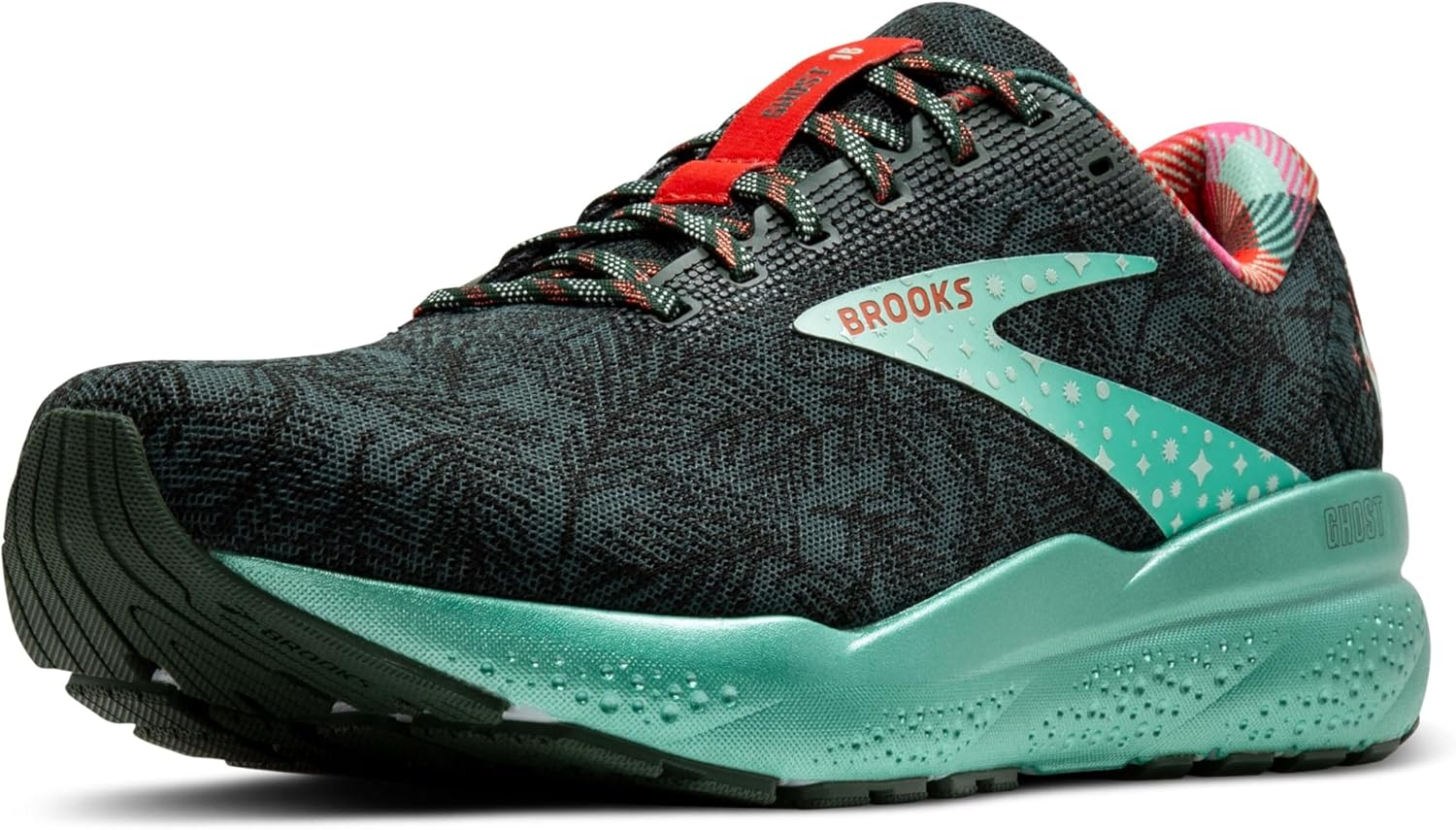
Are you wondering whether the Brooks Women’s Ghost 16 Neutral Running Shoe is the right daily trainer for your miles?

First Impressions
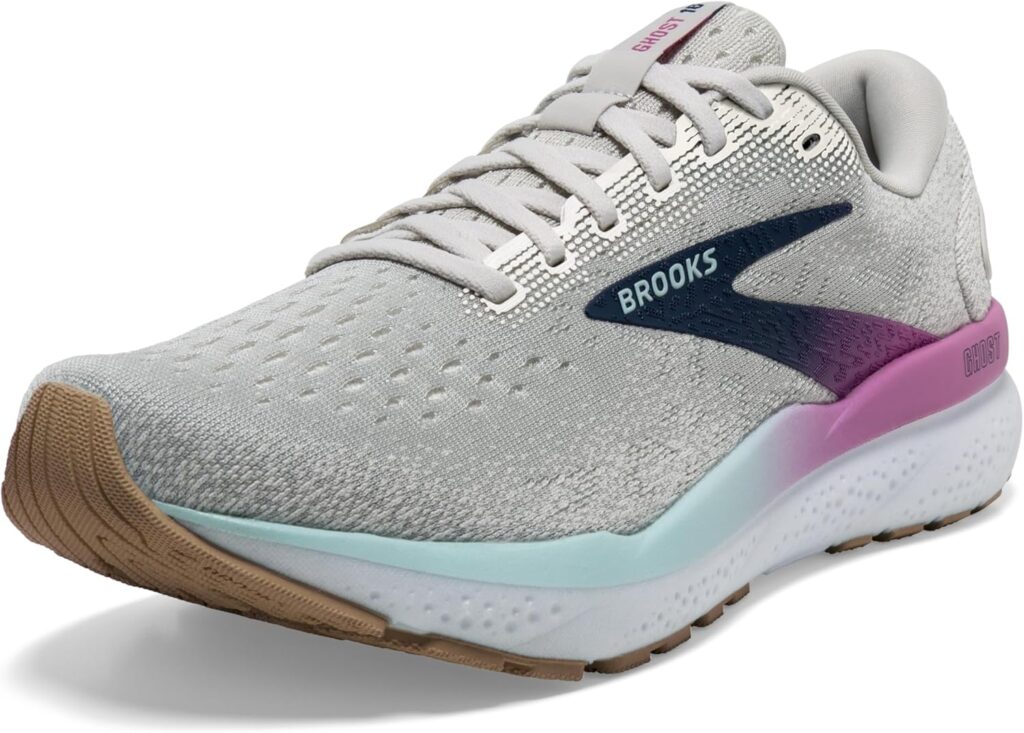
When I first unboxed the Brooks Women’s Ghost 16, I noticed an immediate sense of refinement compared with prior versions. The shoe felt lighter than I expected and looked clean, with simple lines that suggested it was built for steady miles rather than flashy speed sessions.
Packaging and unboxing
The box contained the shoes, a pair of extra insoles in some releases, and the usual paperwork, which I skimmed quickly. I appreciated that the shoes were pre-laced neatly and didn’t require much initial tinkering to get a good on-foot fit.
Aesthetic and colorways
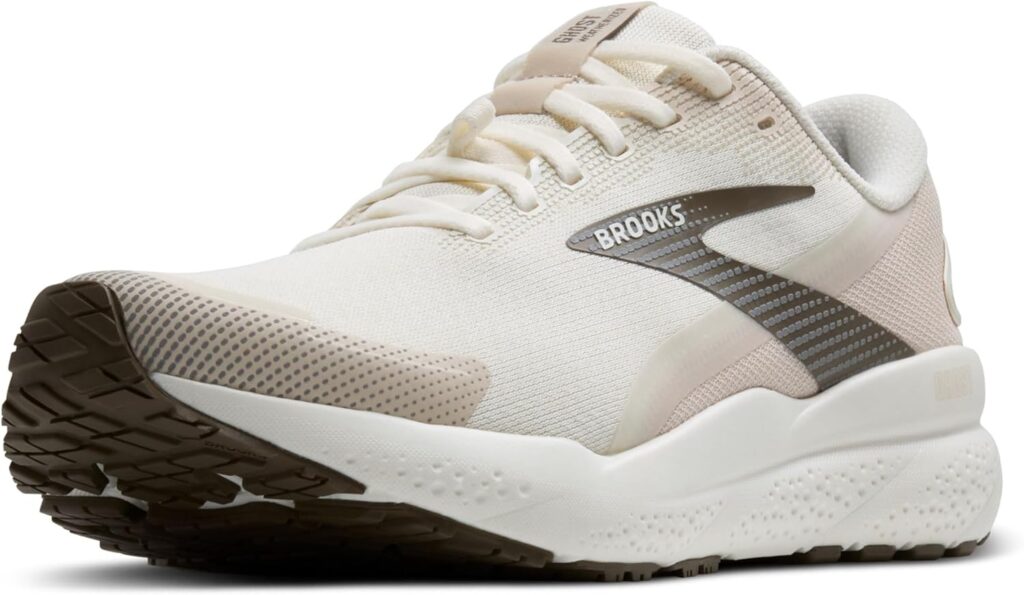
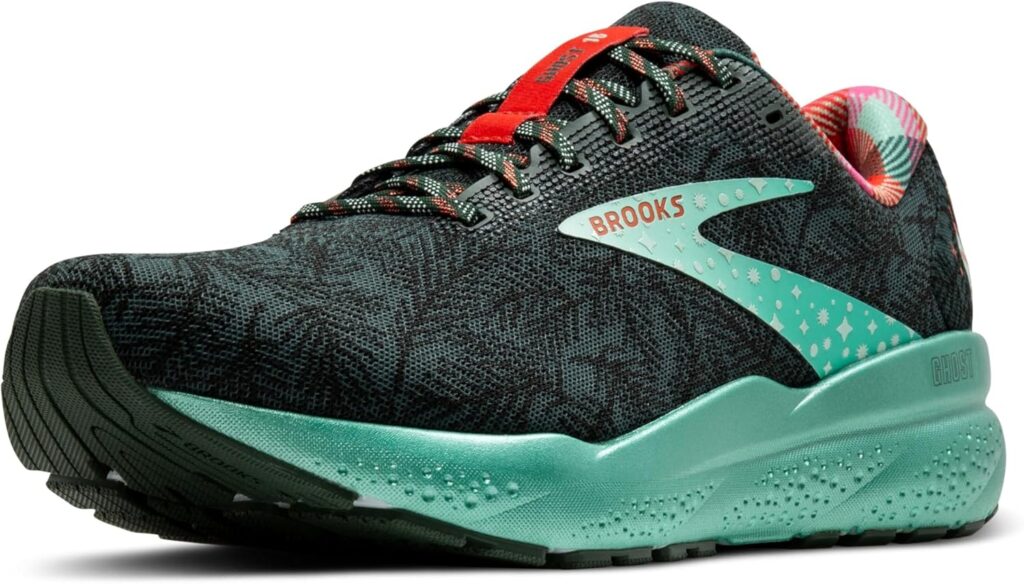
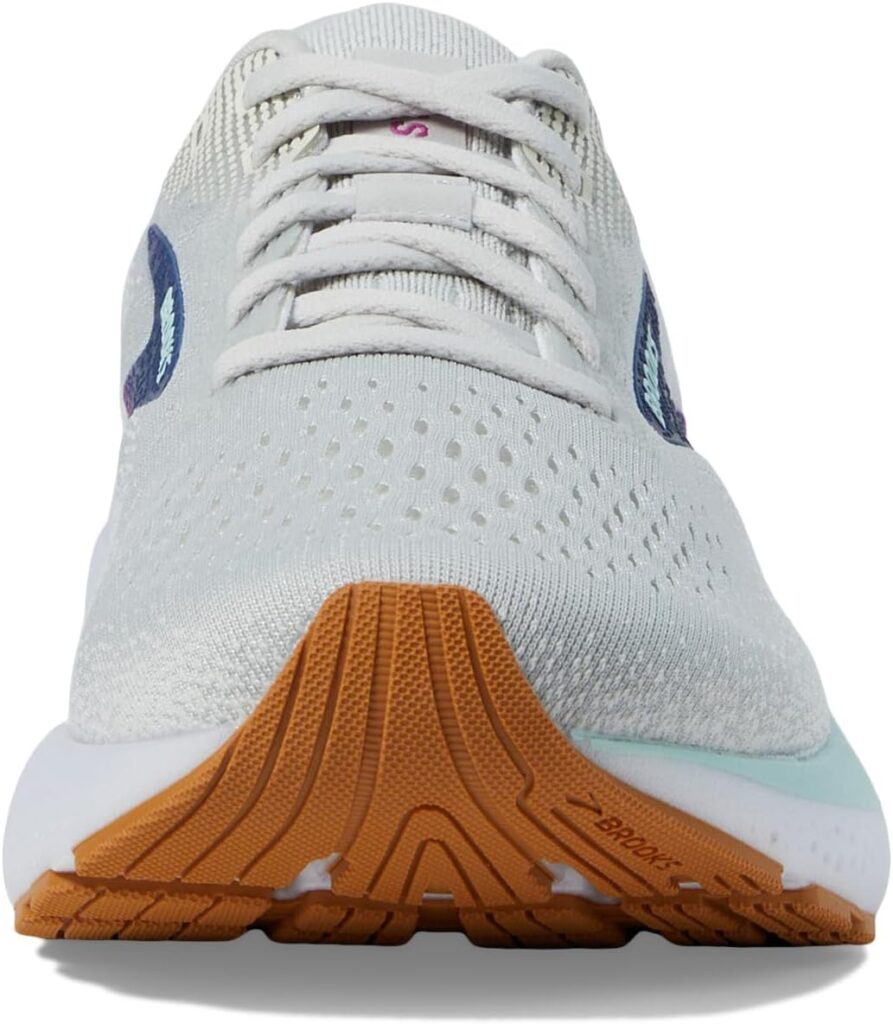
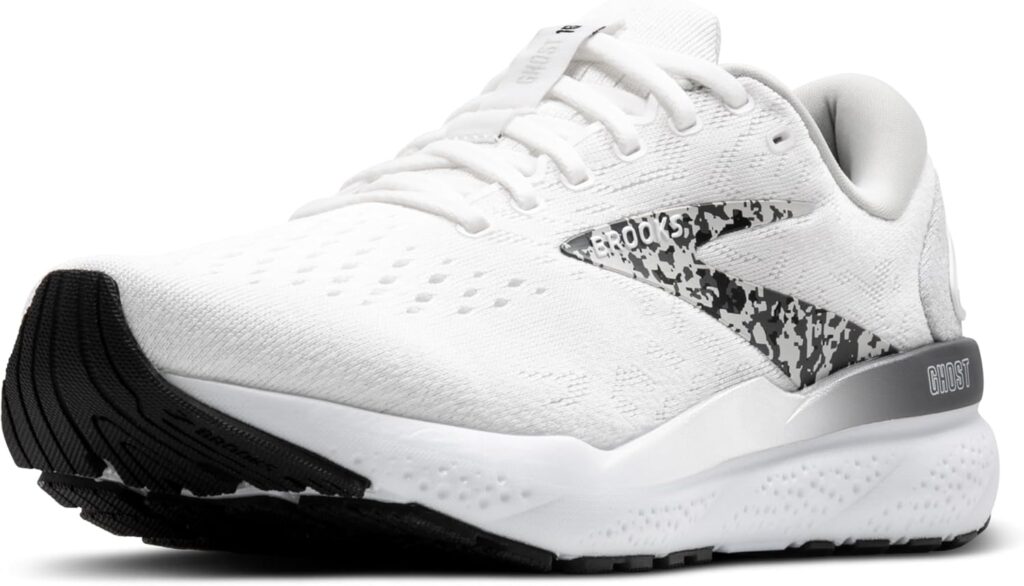
Brooks offers the Ghost 16 in a variety of colorways, from muted and workhorse-friendly tones to brighter accents for those who like a pop of color. I chose a neutral tone for my review, and I liked how the design balanced functionality with a modern athletic look that transitions well from the streets to a casual post-run coffee stop.
Fit and Sizing
Fit matters more than most people realize, and I pay close attention to how a shoe envelopes my foot. For me, the Ghost 16 fits true to size with a comfortably roomy toe box and a secure midfoot.
True to size?
I usually wear a women’s size 8 and the Ghost 16 in that size fit me without feeling too long or squished. If you’re between sizes I recommend trying them on in person or ordering both sizes if possible, as slight foot shape variations can change the experience.
Width options and my foot shape
Brooks typically offers the Ghost in standard and wide widths, and I tried the standard width which matched my medium-width foot well. If you have particularly wide forefeet or like extra room to accommodate swelling on long runs, the wide version will likely be a better fit.
Comfort and Cushioning
Comfort is where the Ghost series has built its reputation, and the Ghost 16 keeps that tradition alive for me. I found the ride to be soft enough for recovery runs while still responsive enough for daily training.
Midsole feel
The midsole provides a balanced cushion that feels plush underfoot without being overly mushy, giving me confidence for runs ranging from easy miles to tempo efforts. The foam compresses smoothly and rebounds consistently, which helped reduce foot fatigue during longer sessions.
In-shoe comfort and sockliner
The sockliner is comfortable and contours nicely to my arch, and the interior feels smooth against my skin even after a few hours of wear. I didn’t experience hotspots or rubbing in the heel or toe area, which I attribute to the well-thought-out internal construction and padding.

Midsole Technology
Brooks has refined their midsole foams over successive Ghost models, and the Ghost 16 uses updated materials that aim to strike a balance between softness and spring. I noticed the foam felt livelier than some older neutral trainers without sacrificing the forgiving feel I expect on recovery days.
DNA Loft and foam behavior
The foam compresses predictably and returns energy in a way that made moderately paced runs feel efficient, though it’s not a maximal shoe for race-day speed. The cushioning smoothed out rough pavement and absorbed impact well, which helped my legs feel fresher after back-to-back runs.
Responsiveness and energy return
While the Ghost 16 isn’t a dedicated racing flat, the responsiveness is pleasantly noticeable on tempo intervals and progression runs. The shoe provides enough propulsion to keep a flow going through the gait cycle, which I appreciated during tempo efforts and long steady-state runs.
Outsole and Durability
A shoe’s outsole determines how well it grips the road and how long the shoe lasts, and the Ghost 16’s outsole construction felt robust during my testing. The rubber placement and segmentation were designed to prioritize both traction and flexibility in natural stride patterns.
Rubber placement and traction
Strategic rubber zones under the heel and forefoot provided good grip on both dry and slightly damp pavement, which gave me confidence in mixed weather conditions. The flex grooves allow for a smooth roll from heel to toe and keep the shoe feeling natural through transitions.
Durability after consistent use
After multiple weeks of daily training, I’ve seen only moderate wear on the outsole rubber and no premature flattening of the midsole foam. My test shoes have accumulated steady mileage and still offer a consistent ride, suggesting that Brooks made durability a priority for this model.
Upper and Breathability
The upper felt thoughtfully engineered to balance structure, breathability, and comfort. I noticed a soft engineered mesh that managed heat well on warmer runs and didn’t chafe during longer outings.
Engineered mesh and ventilation
The mesh provides efficient airflow without feeling too flimsy, and the perforation patterns help keep my feet cool on humid mornings. The shoe’s upper is supportive enough to maintain shape while letting air circulate around the foot.
Heel counter and lockdown
The external heel counter and padded collar locked my heel into place without feeling overly stiff or causing Achilles irritation. A secure heel and well-positioned lacing system helped me avoid heel slip, and I felt stable through faster changes of pace.
Weight and Responsiveness
Weight matters for responsiveness, and while the Ghost 16 isn’t marketed as an ultralight racer, it still feels reasonably light for a daily trainer. I noticed quicker turnovers in this shoe compared with heavier stability models I’ve worn.
How it feels during intervals
During interval sessions, the Ghost 16 offered a lively enough feel that I could hold targeted paces without feeling weighed down. The balance between cushioning and responsiveness let me stay focused on cadence and form instead of fighting the shoe.
Long runs and fatigue
Over longer runs, the cushioning held up well and helped shield my legs from pounding, which delayed onset of fatigue in my calves and quads. That consistent protection made adding extra easy-pace mileage feel more manageable on recovery days.
Stability and Support
The Ghost 16 is a neutral trainer, so it’s not heavily focused on correction, but it still provides sufficient support for many neutral to mildly overpronating runners. I found the platform to be inherently stable, thanks to a broad midsole footprint and a predictable heel-to-toe transition.
Neutral shoe behavior
As a neutral shoe, the Ghost 16 allowed my feet to move naturally while still providing subtle guidance during the stride. Runners who seek a light stability intervention may find the natural shape of the midsole supportive without feeling intrusive.
For pronators?
If you have moderate to severe pronation, you may need a dedicated stability shoe or inserts, but mild pronators can often use the Ghost 16 comfortably. I recommend trying them with your typical running socks and taking a short test run to check how your knees and ankles feel.
Ride and Transition
Ride quality is subjective, but I place a premium on smooth transitions and minimal jarring. The Ghost 16 offers a consistent, predictable ride that encourages a steady cadence and efficient footfalls.
Smoothness of ride
The combination of cushioning and midsole geometry resulted in a smooth experience through the gait cycle, particularly at steady-state paces. There’s a subtle sense of roll that helps propel the foot forward without being aggressive or overly tech-forward.
Toe-off and forefoot pop
Toe-off is comfortable and secure, though I wouldn’t call this a “springy” shoe for racing. Still, the forefoot responds when I push the pace, and I noticed a nice, even platform for powerful toe-offs during tempo efforts.
Performance by Run Type
I tested the Ghost 16 across a range of sessions, and it performed admirably as a do-it-all daily trainer. Whether I was logging recovery miles, tempo efforts, or weekly long runs, the shoe offered a dependable experience.
Short runs and tempo
For short tempos and brisk aerobic sessions, the Ghost 16 felt balanced and supportive, allowing me to hit target paces without shoe-induced limitations. The shoe encourages a natural cadence and feels confident under quicker foot strikes.
Long runs and recovery miles
On long, easy-paced runs the cushioning comforted my feet and reduced impact-related fatigue, making it easier to stay on my training plan. Recovery runs felt cushioned and protected, which helped me bounce back for harder workouts.
Speedwork and intervals
While not a dedicated speed shoe, the Ghost 16 can handle intervals when I’m aiming for controlled speed rather than absolute races. Its stable platform and responsive midsole mean I can run intervals comfortably without changing to a sharper tempo or racing shoe.
Comparisons
Comparing similar shoes helps place the Ghost 16 in context for buyers, and I compared it against other daily trainers to see where it stands. For many runners, the Ghost 16 will fit comfortably in a rotation with other neutral trainers.
Ghost 16 vs Ghost 15
Compared with the Ghost 15, the Ghost 16 feels slightly lighter with a bit more snap on toe-off while maintaining similar cushioning levels. Brooks made subtle refinements in the foam and upper fit that result in a more modern, lively feel without losing the series’ hallmark comfort.
Ghost 16 vs competitor daily trainers
Against competitors like the Nike Pegasus, Asics Gel-Cumulus, or New Balance Fresh Foam models, the Ghost 16 leans toward balanced cushioning and a smooth ride rather than extreme softness or maximal responsiveness. If you prefer a predictable, user-friendly shoe that balances cushioning, durability, and a touch of liveliness, the Ghost 16 is a strong contender.
Who Should Buy This Shoe
I recommend the Ghost 16 for runners who want a dependable daily trainer that can cover a variety of workout types. If your priority is comfort, durability, and a balanced ride for daily miles, the Ghost 16 will likely be a great fit.
Who Should Not Buy This Shoe
If you are chasing the lightest possible race-day shoe or require heavy stability correction for severe pronation, the Ghost 16 might not be the best choice. Also, if you prefer an ultra-plush maximal cushion or want a race-specific, carbon-plated shoe, consider looking at other models designed for those purposes.
Sizing Tips and Lacing Tricks
Getting the fit right can make or break the shoe experience, so I pay attention to practical tips that improve fit and function. Small lacing adjustments can address common issues like heel slip or too-tight insteps.
Lacing for high arches
If you have high arches, using a runner’s loop (locking loop) can secure the midfoot and reduce movement without overtightening the forefoot. I often add one extra loop at the top of the lacing pattern to get a snug, supportive fit that keeps my foot from sliding.
Preventing heel slip
To prevent heel slip, try a slightly tighter last two eyelets to create a more secure collar fit, and ensure the heel counter is cupping the back of your foot properly. Sometimes changing sock thickness or swapping the stock insole for a slightly thicker ortholite can also help eliminate minor heel movement.
Care and Maintenance
Taking care of your shoes helps extend their useful life and keeps them performing well over months of training. Simple habits can preserve cushioning and keep the upper in good shape.
Cleaning
I gently hand-wash my Ghost 16 with mild soap and a soft brush, avoiding machine washing which can degrade glue and foam over time. After cleaning, I let them air-dry at room temperature, stuffing the toe with paper to keep shape and speed up drying.
Storage and drying
Store shoes in a cool, dry place away from direct sunlight to prevent foam breakdown and color fading. If your shoes get soaked, avoid heat sources; instead, use absorbent paper inside and let them dry naturally to maintain midsole integrity.
Price and Value
The Brooks Women’s Ghost 16 is priced in the mid-range for daily trainers, offering a balance of performance and durability. For the miles I put on them and the dependable ride I experienced, I felt the shoe represented good value for runners seeking a long-term daily trainer.
Pros and Cons
I like to summarize strengths and weaknesses so a quick decision is easier. The Ghost 16 has several definite upsides and a few trade-offs depending on runner priorities.
- Pros: Comfortable, balanced cushioning, solid durability, secure upper fit, reliable traction, suitable for a variety of runs.
- Cons: Not as aggressive or lightweight as dedicated race shoes, limited major innovation if you currently own the Ghost 15, may not suit severe pronators.
Final Verdict
After several weeks of running and varied sessions in the Brooks Women’s Ghost 16, I feel confident recommending it as a dependable daily trainer. It aligns well with runners who want a balanced, comfortable shoe that handles easy miles, tempos, and longer training runs without drama.
Frequently Asked Questions
Is the Ghost 16 good for long-distance training?
Yes, I found the Ghost 16 comfortable and protective on longer runs, providing enough cushioning and durability for weekly long runs. It’s a solid choice for marathon training as a daily trainer, though some runners may prefer a slightly more cushioned maximal shoe for ultra-distance events.
How long do the Ghost 16 shoes last?
From my mileage and observations, the Ghost 16 should last in the typical 300–500 mile range depending on your weight, gait, and running surface. Proper care and rotating with another pair can help reach the higher end of that range.
Are they suitable for treadmill running?
Absolutely, the Ghost 16 performs well on treadmills and offers consistent cushioning and traction on the belt. I used them frequently for treadmill intervals and found them comfortable with no unusual wear patterns.
Can I use the Ghost 16 for races?
You can use the Ghost 16 for shorter races or events where comfort and durability matter more than lightweight speed. For goal races and time trials, I’d consider a dedicated race shoe to maximize efficiency and shave off extra seconds.
Do they work with orthotics?
Yes, the Ghost 16 has enough internal volume and a removable insole that allows room for many custom orthotics. If you use bulkier orthotics, try them on together with the shoe to confirm fit and comfort before long runs.
Key Specifications at a Glance
Below is a quick breakdown of the Ghost 16’s core specs to help you compare and decide quickly. Note that exact weights and stack heights can vary by size and specific colorway, so treat these as approximate values based on my test pair.
| Feature | Approximate Detail |
|---|---|
| Intended Use | Neutral daily trainer |
| Weight (women’s) | ~8.5–9.0 oz (approx.) for a standard size |
| Heel-to-toe Drop | ~10–12 mm (approx.) |
| Cushioning | Balanced, responsive foam midsole |
| Upper | Engineered breathable mesh |
| Outsole | Durable rubber with flex grooves |
| Support Level | Neutral to mild guidance |
| Typical Lifespan | 300–500 miles (varies by runner) |
Closing Thoughts
I like the Brooks Women’s Ghost 16 because it delivers predictable, comfortable performance across a range of runs without requiring constant tinkering or special handling. If you want a go-to daily trainer that blends cushioning, responsiveness, and durability in a neutral package, the Ghost 16 should be on your short list to try.

Disclosure: As an Amazon Associate, I earn from qualifying purchases.
Leave a Reply